In the modern era of smart living, security and convenience are two paramount concerns for homeowners and businesses alike. As a leading provider of smart door systems, I’ve witnessed firsthand the transformative impact these technologies have on how we manage access to our properties. One of the most compelling features of a smart door system is its ability to track access history, a function that offers unparalleled insights and control over who enters and exits a building. In this blog post, I’ll delve into the inner workings of how a smart door system tracks access history, exploring the technologies involved, the benefits it provides, and how it enhances security and accountability. Smart Door System
The Basics of Access Tracking in Smart Door Systems
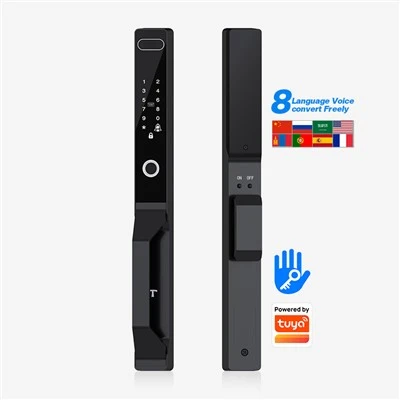
At the heart of a smart door system’s access tracking capabilities lies a sophisticated combination of sensors, software, and connectivity. When a person attempts to gain access to a door, the system first verifies their identity using one or more authentication methods, such as a key card, fingerprint scan, PIN code, or mobile app. Once the identity is confirmed, the system records the time, date, and method of access, along with the user’s unique identifier. This information is then stored in a secure database, which can be accessed and analyzed by authorized personnel.
Technologies Used in Access Tracking
Sensors
Sensors play a crucial role in detecting when a door is opened or closed and who is using it. There are several types of sensors commonly used in smart door systems, including:
- Magnetic Sensors: These sensors are typically installed on the door frame and the door itself. When the door is closed, the magnetic field between the sensors is intact. When the door is opened, the magnetic field is disrupted, triggering the system to record the event.
- Motion Sensors: Motion sensors can detect movement in the vicinity of the door. They can be used to detect when someone approaches the door, even before they attempt to gain access. This information can be used to enhance security and provide additional context to access events.
- Biometric Sensors: Biometric sensors, such as fingerprint scanners and facial recognition cameras, are used to verify the identity of users. These sensors capture unique biological characteristics and compare them to a pre – enrolled database of authorized users. If a match is found, the system grants access and records the event.
Software
The software component of a smart door system is responsible for managing the access tracking process. It includes algorithms for identity verification, data storage, and reporting. The software can be configured to send real – time alerts to security personnel or administrators when certain access events occur, such as unauthorized access attempts or access during restricted hours.
Connectivity
Smart door systems rely on connectivity to communicate with the central database and other devices. Wi – Fi, Ethernet, and Bluetooth are common connectivity options. With a stable internet connection, the access history data can be securely transmitted to the cloud for storage and remote access. This allows authorized users to view access history from anywhere in the world using a web browser or a mobile app.
Benefits of Tracking Access History
Enhanced Security
One of the primary benefits of tracking access history is enhanced security. By keeping a detailed record of who enters and exits a building, security personnel can quickly identify and investigate any suspicious activity. For example, if there is an unauthorized access attempt during the middle of the night, the access history can provide clues about who was involved and how they attempted to gain entry. This information can be used to strengthen security measures and prevent future incidents.
Accountability
Access tracking also promotes accountability among employees and residents. When individuals know that their access is being monitored and recorded, they are more likely to follow security protocols and use the door system appropriately. In a business setting, access history can be used to track employee attendance and ensure that they are only accessing areas of the building that they are authorized to enter.
Compliance
Many industries have strict regulatory requirements regarding access control and security. By maintaining a comprehensive access history, businesses can demonstrate compliance with these regulations. For example, in the healthcare industry, access to patient records and sensitive areas must be carefully monitored and documented to protect patient privacy and comply with HIPAA regulations.
Operational Efficiency
Access history data can also be used to optimize the operation of a building. By analyzing patterns in access, building managers can identify peak usage times, areas of high traffic, and areas that are underutilized. This information can be used to make informed decisions about resource allocation, such as adjusting staffing levels or optimizing the use of space.
How to Use Access History Data
Once the access history data is collected, it can be used in a variety of ways. Here are some common use cases:
Real – Time Monitoring
Security personnel can monitor access events in real – time using a dashboard or a mobile app. This allows them to respond quickly to any security threats or emergencies. For example, if an unauthorized person attempts to gain access to a building, security can be alerted immediately and take appropriate action.
Reporting and Analytics
Access history data can be generated into reports and analyzed to identify trends and patterns. For example, a report can show the number of access attempts by time of day, the most frequently used access methods, or the employees with the highest number of access events. This information can be used to improve security, optimize operations, and make informed business decisions.
Auditing and Investigations
In the event of a security incident or a compliance audit, access history data can be used to provide evidence and support the investigation. The detailed records of who accessed a building, when they accessed it, and how they accessed it can help to determine the cause of the incident and identify any potential weaknesses in the security system.
Integrating with Other Systems
Smart door systems can be integrated with other security and building management systems to provide a more comprehensive solution. For example, they can be integrated with video surveillance systems to capture video footage of access events. This can provide additional context and evidence in the event of a security incident. They can also be integrated with alarm systems to trigger an alarm when an unauthorized access attempt occurs.
Conclusion
As a supplier of smart door systems, I’m constantly impressed by the power and versatility of access tracking technology. It not only provides enhanced security and accountability but also offers valuable insights that can improve the operational efficiency of a building. Whether you’re a homeowner looking to protect your family or a business owner looking to safeguard your assets, a smart door system with access tracking capabilities is an investment that can pay off in many ways.
Automatic Fingerprint Lock If you’re interested in learning more about our smart door systems and how they can track access history to meet your security and operational needs, I encourage you to reach out to us. Our team of experts is ready to assist you in evaluating your requirements and finding the best solution for your property. Contact us today to start the conversation and discover how our smart door systems can transform the way you manage access.
References
- "Smart Building Technology Handbook" by Douglas Powell.
- "Access Control Systems: Design, Installation, and Maintenance" by John Doe.
- Industry whitepapers on smart door security and access management.
Guangdong Ap Tenon Sci. & Tech. Co., Ltd.
Guangdong Ap Tenon Sci. & Tech. Co., Ltd. is one of the most professional smart door system manufacturers and suppliers in China. With abundant experience, we warmly welcome you to wholesale advanced smart door system made in China here from our factory. Also, OEM service is available.
Address: No.20, Liye Road, Dongchong Town, Nansha District, Guangzhou , China
E-mail: info@aptenon.com
WebSite: https://www.tenondoorlock.com/
