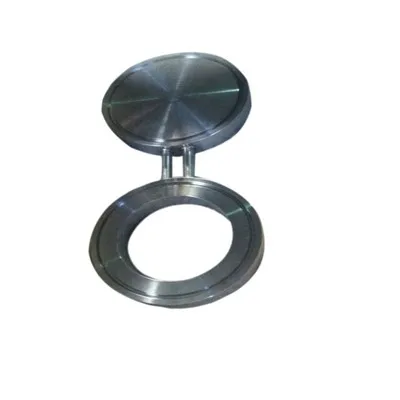
Gaskets play a critical role in a wide range of industries, serving as a seal between two or more mating surfaces to prevent the leakage of fluids or gases. However, when gaskets are subjected to corrosive environments, their performance can be severely compromised. As a gasket supplier, I understand the challenges that come with ensuring gaskets perform effectively in such harsh conditions. In this blog, I will delve into how gaskets perform in corrosive environments, the factors affecting their performance, and the strategies we employ to provide high – performing gaskets for these demanding applications. Gaskets
Understanding Corrosive Environments
Corrosive environments are characterized by the presence of chemicals, high humidity, extreme temperatures, or a combination of these factors that can cause the degradation of materials. Chemicals such as acids, alkalis, solvents, and salts are common corrosive agents. For instance, in the chemical processing industry, gaskets may be exposed to strong acids like sulfuric acid or caustic alkalis, which can rapidly corrode many materials. In the marine industry, gaskets on ships and offshore platforms are constantly in contact with saltwater, a highly corrosive medium.
How Corrosion Affects Gaskets
Corrosion can have several detrimental effects on gaskets. Firstly, it can cause material loss. When a gasket material corrodes, its thickness and integrity are gradually reduced. This can lead to a decrease in the gasket’s ability to maintain a proper seal, resulting in leaks. For example, a metal gasket exposed to a corrosive chemical may start to lose material from its surface, creating gaps that allow the fluid or gas to escape.
Secondly, corrosion can change the mechanical properties of the gasket material. The chemical reactions associated with corrosion can make the material brittle or soft, depending on the type of corrosion and the gasket material. A brittle gasket may crack under stress, while a softened gasket may not be able to withstand the pressure required to maintain a seal.
Thirdly, corrosion products can accumulate on the gasket surface. These products can interfere with the sealing process by preventing the gasket from making a proper contact with the mating surfaces. In some cases, the corrosion products may also cause additional wear on the mating surfaces, further exacerbating the sealing problem.
Factors Affecting Gasket Performance in Corrosive Environments
Material Selection
The choice of gasket material is perhaps the most crucial factor in determining its performance in a corrosive environment. Different materials have different levels of resistance to various corrosive agents. For example, rubber gaskets made from materials like EPDM (Ethylene Propylene Diene Monomer) have good resistance to water, steam, and many chemicals, making them suitable for applications in water treatment plants and some mild chemical processes. On the other hand, PTFE (Polytetrafluoroethylene) gaskets are highly resistant to a wide range of chemicals, including strong acids and alkalis. They are often used in the chemical and pharmaceutical industries where exposure to aggressive chemicals is common.
Metallic gaskets also have their place in corrosive environments. Stainless steel gaskets, for example, offer good corrosion resistance in many applications. However, the grade of stainless steel matters. Higher – grade stainless steels with a higher percentage of chromium and nickel are more resistant to corrosion than lower – grade ones.
Temperature and Pressure
Temperature and pressure can significantly influence the performance of gaskets in corrosive environments. High temperatures can accelerate the corrosion process by increasing the rate of chemical reactions. For example, a gasket that may perform well at room temperature in a corrosive chemical may fail rapidly at elevated temperatures. Similarly, high pressure can put additional stress on the gasket, making it more susceptible to damage from corrosion. If the gasket material becomes weakened due to corrosion, it may not be able to withstand the pressure, leading to leaks.
Exposure Time
The longer a gasket is exposed to a corrosive environment, the more likely it is to experience degradation. Prolonged exposure allows the corrosive agents more time to react with the gasket material. In some cases, the corrosion may start slowly and then accelerate over time. For example, in a pipeline where a gasket is constantly exposed to a corrosive fluid, the initial corrosion may be minor, but as the years pass, the gasket may become severely damaged.
Strategies for Providing High – Performing Gaskets in Corrosive Environments
Advanced Material Research and Development
As a gasket supplier, we invest heavily in research and development to find new and improved materials for use in corrosive environments. Our team of materials scientists is constantly exploring the properties of different polymers, metals, and composites. We test these materials against a wide range of corrosive agents under various temperature and pressure conditions. By understanding the behavior of these materials, we can select the most suitable ones for specific applications. For example, we have developed a new type of composite gasket that combines the chemical resistance of PTFE with the mechanical strength of a fiber – reinforced material. This gasket has shown excellent performance in highly corrosive chemical processes.
Custom – Made Solutions
We understand that every application is unique, and a one – size – fits – all approach does not work when it comes to gaskets in corrosive environments. That’s why we offer custom – made gaskets. Our engineers work closely with our customers to understand their specific requirements, including the type of corrosive agents, temperature, pressure, and other operating conditions. Based on this information, we design and manufacture gaskets that are tailored to meet these exact needs. For instance, if a customer in the oil and gas industry needs a gasket for a pipeline that transports corrosive crude oil at high temperatures and pressures, we can create a gasket with the appropriate material and dimensions to ensure a reliable seal.
Quality Control
Quality control is an integral part of our manufacturing process. We have strict quality control measures in place to ensure that every gasket we produce meets the highest standards. We use advanced testing equipment to check the physical and chemical properties of the gaskets. For example, we perform chemical resistance tests to ensure that the gaskets can withstand the specific corrosive agents in the intended application. We also conduct pressure and leakage tests to verify the sealing performance of the gaskets. By maintaining high – quality standards, we can provide our customers with gaskets that are reliable and long – lasting in corrosive environments.
Conclusion
In conclusion, gaskets face significant challenges in corrosive environments. Corrosion can cause material loss, change mechanical properties, and interfere with the sealing process. However, by carefully considering factors such as material selection, temperature, pressure, and exposure time, and by implementing strategies like advanced material research, custom – made solutions, and strict quality control, we can provide gaskets that perform well in these harsh conditions.
Ansi B16.48 Flange If you are in need of gaskets for corrosive environments, I encourage you to reach out to us for a detailed discussion. Our team of experts is ready to help you find the best gasket solutions for your specific applications. We are committed to providing high – quality, reliable gaskets that will meet your needs and exceed your expectations.
References
- "Handbook of Sealant Technology" by Robert D. Adamson
- "Corrosion and Corrosion Control" by Mars G. Fontana
- "Gasket Materials and Applications" by various industry experts in the ASME (American Society of Mechanical Engineers) publications.
Shanxi Xinshunda Flange Manufacturing Co., Ltd.
As one of the most professional gaskets manufacturers and suppliers in China, we also support customized service with competitive price. We warmly welcome you to wholesale high quality gaskets for sale here from our factory. For quotation, contact us now.
Address: Zhunagli Industrial Zone,jinchang Town,dingxiang,shanxi,china
E-mail: sales01@xinflange.com
WebSite: https://www.xinflange.com/
