Can cardiovascular ultrasound be used to monitor the progress of heart diseases? That’s a question I get asked a lot, and as a supplier of cardiovascular ultrasound equipment, I’m super excited to dig into this topic. Cardiovascular Ultrasound
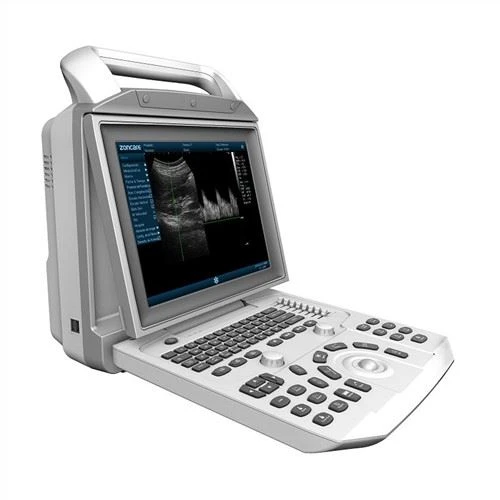
First off, let’s talk about what cardiovascular ultrasound is all about. In simple terms, it’s a non – invasive imaging technique that uses sound waves to create pictures of the heart and blood vessels. It’s like having a window into the cardiovascular system without having to cut anything open. Pretty cool, right?
Now, when it comes to monitoring heart diseases, cardiovascular ultrasound is an absolute game – changer. There are several types of heart diseases out there, and ultrasound can be used to keep an eye on each of them in different ways.
Let’s start with coronary artery disease (CAD). This is when the arteries that supply blood to the heart become narrowed or blocked. With cardiovascular ultrasound, doctors can look at the blood flow in the coronary arteries. They can see if there are any areas where the blood isn’t flowing as well as it should be. This is done through a special type of ultrasound called Doppler ultrasound. It can detect changes in blood flow speed and direction. By regularly monitoring these blood flow patterns, doctors can tell if the CAD is getting better, worse, or staying the same. For example, if the blood flow in a particular artery starts to slow down over time, it could be a sign that the blockage is getting worse.
Another common heart condition is heart failure. In heart failure, the heart isn’t able to pump blood effectively. Cardiovascular ultrasound can measure the size and shape of the heart chambers. It can also assess how well the heart muscle is contracting. The ejection fraction, which is the percentage of blood pumped out of the heart with each beat, is an important parameter. A normal ejection fraction is around 55 – 70%. If a patient has heart failure, their ejection fraction might be lower. By using ultrasound to measure the ejection fraction regularly, doctors can track the progress of heart failure. If the ejection fraction starts to increase, it could mean that the treatment is working.
Valvular heart diseases are also well – monitored with cardiovascular ultrasound. The heart has four valves that control the flow of blood. When these valves don’t work properly, it can cause all sorts of problems. Ultrasound can show the structure and function of the heart valves. Doctors can see if a valve is narrowed (stenosis) or leaking (regurgitation). They can also measure the pressure differences across the valves. For instance, in aortic stenosis, the aortic valve becomes narrowed, and this leads to increased pressure in the left ventricle. By using ultrasound to monitor the pressure and the degree of stenosis over time, doctors can decide when it’s time for valve replacement or other treatments.
One of the great things about cardiovascular ultrasound is that it’s safe. There’s no radiation involved, like in some other imaging techniques. So, patients can have multiple ultrasound exams without having to worry about the harmful effects of radiation. It’s also relatively quick and inexpensive compared to some other diagnostic tools.
But it’s not all sunshine and rainbows. There are some limitations to using cardiovascular ultrasound for monitoring heart diseases. Sometimes, the quality of the ultrasound image can be affected by the patient’s body type. For example, if a patient is very obese, it can be harder to get clear images because the sound waves have to travel through more tissue. Also, some areas of the heart might be difficult to visualize due to the position of the lungs or other anatomical factors.
However, despite these limitations, the benefits far outweigh the drawbacks. The ability to non – invasively monitor the progress of heart diseases is invaluable. It allows doctors to make more informed decisions about treatment. They can adjust medications, recommend lifestyle changes, or decide when more invasive procedures are necessary.
As a supplier of cardiovascular ultrasound equipment, I’ve seen firsthand how this technology is making a difference in patients’ lives. Our machines are designed to be user – friendly, with high – resolution images and advanced features. We work closely with medical professionals to make sure they have the best tools to diagnose and monitor heart diseases.
If you’re a medical institution or a healthcare provider looking for reliable cardiovascular ultrasound equipment, we’d love to talk to you. We offer a range of products to suit different needs and budgets. Whether you’re a small clinic or a large hospital, we have the right solution for you. Our team of experts can provide training and support to ensure that you can get the most out of our equipment.

So, if you’re interested in improving your cardiovascular diagnostic capabilities and better monitoring the progress of heart diseases in your patients, don’t hesitate to reach out. Let’s have a chat about how our cardiovascular ultrasound equipment can fit into your practice.
Monitoring Accessories References:
- Braunwald’s Heart Disease: A Textbook of Cardiovascular Medicine, 11th Edition
- Hurst’s The Heart, 14th Edition
- American Heart Association Guidelines on Cardiovascular Ultrasound
Wuhan Zoncare Bio-medical Electronics Co., Ltd.
Wuhan Zoncare Bio-medical Electronics Co., Ltd. is one of the leading cardiovascular ultrasound manufacturers and suppliers in China. We warmly welcome you to wholesale discount cardiovascular ultrasound from our factory. All customized products are with high quality and low price. Contact us for more cheap products.
Address: Zoncare building, No. 380, High-tech 2nd Road, Eastlake High-tech Development Zone, Wuhan, Hubei 430206 P. R. China.
E-mail: info@zoncare.com
WebSite: https://www.zoncareglobal.com/
