As a long – standing supplier of potassium sorbate, I’ve witnessed firsthand its transformative impact on the food industry. One question that frequently arises in discussions with food manufacturers, distributors, and retailers is whether potassium sorbate has any impact on the shelf – stability of food during transportation. In this blog, I aim to provide a comprehensive and scientifically – based answer to this critical query. Potassium Sorbate
Understanding Potassium Sorbate
Potassium sorbate is the potassium salt of sorbic acid. It is a widely used food preservative recognized for its effectiveness in inhibiting the growth of molds, yeasts, and some bacteria. Its popularity in the food industry stems from its low toxicity, broad – spectrum antimicrobial activity, and compatibility with a wide range of food products. When added to food, potassium sorbate dissociates into sorbate ions, which are responsible for its preserving action. These ions interfere with the metabolic processes of microorganisms, preventing them from growing and spoiling the food.
The Significance of Shelf – Stability During Transportation
Transportation is a crucial phase in the food supply chain. Food products can be exposed to various environmental factors such as temperature fluctuations, humidity, and mechanical stress during transit. These conditions can accelerate the growth of spoilage microorganisms, leading to reduced shelf life. Inadequate shelf – stability can result in significant economic losses for producers and distributors, as well as potential food safety risks for consumers. Therefore, maintaining the quality and safety of food products during transportation is of utmost importance.
Impact on Microbial Growth
One of the primary ways in which potassium sorbate affects the shelf – stability of food during transportation is by controlling microbial growth. Microorganisms like molds, yeasts, and bacteria are ubiquitous and can contaminate food at various stages of production and handling. During transportation, the conditions may be conducive to their growth, especially if the food is not properly preserved.
Potassium sorbate acts as a powerful inhibitor of these microorganisms. By disrupting their cellular processes, it can prevent their multiplication. For example, in bakery products, which are highly susceptible to mold growth, the addition of potassium sorbate can significantly extend the period during which the product remains free from mold. This is particularly crucial during transportation, as bakery items may be shipped over long distances and stored in varying conditions before reaching the consumer.
Similarly, in dairy products such as cheese and yogurt, potassium sorbate can inhibit the growth of spoilage yeasts and bacteria. These products are often transported under refrigeration, but temperature fluctuations during transit can still pose a risk. Potassium sorbate provides an additional layer of protection, ensuring that the products remain safe and of high quality until they reach the end – user.
Oxidation and Rancidity Prevention
In addition to its antimicrobial properties, potassium sorbate can also play a role in preventing oxidation and rancidity in food products. Oxidation is a chemical process that can lead to the deterioration of fats and oils in food, resulting in off – flavors, odors, and a loss of nutritional value. Rancidity, which is the result of oxidation, can make food unpalatable and even unsafe to consume.
During transportation, food products containing fats and oils are exposed to oxygen in the air. Temperature and light can also accelerate the oxidation process. Potassium sorbate can act as an antioxidant, scavenging free radicals and preventing the initiation of oxidation reactions. For instance, in snack foods like nuts and chips, which are often packaged and transported in bulk, the addition of potassium sorbate can help maintain the freshness and flavor of the product by reducing the rate of oxidation.
pH and Temperature Effects
The effectiveness of potassium sorbate in enhancing shelf – stability during transportation can be influenced by the pH and temperature of the food product. Potassium sorbate is most effective in acidic environments, with its antimicrobial activity increasing as the pH decreases. In foods with a lower pH, such as pickles and salad dressings, potassium sorbate can provide excellent protection against microbial spoilage.
Temperature also plays a crucial role. While potassium sorbate is effective at a wide range of temperatures, lower temperatures generally enhance its preserving action. In cold – chain transportation of perishable foods like meat and seafood, the combination of low temperature and the presence of potassium sorbate can significantly extend the shelf life of these products. However, it’s important to note that even at higher temperatures, potassium sorbate can still provide some level of protection, albeit to a lesser extent.
Case Studies
Numerous case studies have demonstrated the positive impact of potassium sorbate on the shelf – stability of food during transportation. For example, a large – scale bakery that supplies products to supermarkets across the country was experiencing high rates of mold growth in its bread and pastries during transit. After incorporating potassium sorbate into its production process, the bakery noticed a substantial reduction in mold spoilage. The products remained fresh for a longer period, which not only improved customer satisfaction but also reduced the amount of wasted inventory.
In the fruit juice industry, a company faced challenges in maintaining the quality of its products during long – distance transportation. The juice was prone to fermentation and spoilage due to the growth of yeasts. By adding an appropriate amount of potassium sorbate, the company was able to prevent yeast growth and ensure that the juice reached the market in perfect condition. This led to increased sales and a stronger brand reputation.
Regulatory Considerations
It’s important to note that the use of potassium sorbate in food is regulated by various authorities around the world, such as the Food and Drug Administration (FDA) in the United States and the European Food Safety Authority (EFSA) in the European Union. These regulations specify the maximum allowable levels of potassium sorbate in different types of food products. As a supplier, we ensure that our potassium sorbate meets all the relevant regulatory standards to guarantee the safety and quality of the food products in which it is used.
Conclusion
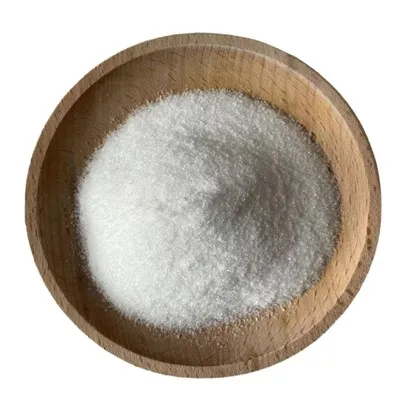
In conclusion, potassium sorbate has a significant and positive impact on the shelf – stability of food during transportation. Its ability to inhibit microbial growth, prevent oxidation and rancidity, and its effectiveness under various pH and temperature conditions make it an invaluable tool in the food industry. By using potassium sorbate, food manufacturers and distributors can ensure that their products reach consumers in optimal condition, reducing waste and enhancing food safety.
Monascus Red If you are a food manufacturer, distributor, or retailer looking for high – quality potassium sorbate to improve the shelf – stability of your products, I encourage you to reach out to discuss your specific needs. Our team of experts is ready to provide you with the best solutions and support.
References
- Hugas, M., & Monfort, J. M. (2007). Preservative effect of potassium sorbate on the shelf – life of meat products. Meat Science, 77(4), 507 – 514.
- Davidson, P. M., & Harrison, M. A. (2002). Antimicrobial food preservatives. Food Microbiology: Fundamentals and Frontiers, 2nd ed., 523 – 543.
- Gould, G. W. (Ed.). (2006). Preservatives in food: practical aspects of use and regulation. Springer Science & Business Media.
Fudijia (Tianjin) Supply Chain Co., Ltd.
With abundant experience, we re one of the most professional potassium sorbate manufacturers and suppliers in China. We warmly welcome you to wholesale bulk high quality potassium sorbate made in China here from our factory. For more information, contact us now.
Address: 301-2-1C,Jin Bin Jie Zuo,No.98, Huanghai Road,TEDA, Tianjin, China
E-mail: foodchem@hjlfoods.com
WebSite: https://www.ifoodchem.com/
